Unearthing Natural History: The Vintage Botanical Collage Kit
The Enduring Allure of Pressed Flora
In a digital landscape often saturated with hyper-modern gradients and sharp vectors, there is a distinct shift back toward tactile, organic aesthetics. The Vintage Botanical Collage Kit taps directly into this movement, offering a curated collection that feels like it was pulled from the archives of a 19th-century naturalist. This kit isn't just a set of images; it is a foundational design asset for anyone looking to infuse their work with history, texture, and a sense of timeless elegance.
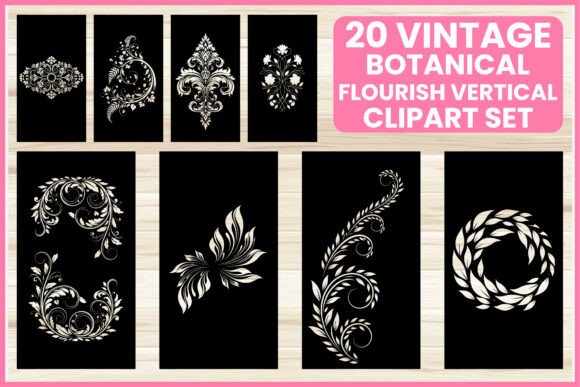
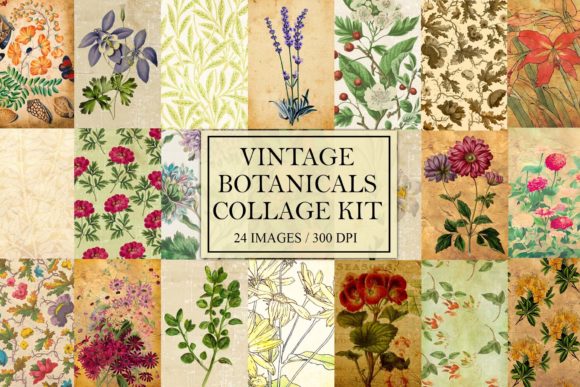
At its core, the kit consists of 24 distinct vintage botanical journal cards. Visually, these assets are characterized by intricate line work, muted earth tones, and the subtle imperfections that come with aged paper textures. The personality of these designs is scholarly yet romantic. They evoke the feeling of a Victorian conservatory or a traveler’s journal filled with field sketches. For the modern designer, this "lived-in" quality is invaluable because it instantly adds depth to a project that might otherwise feel sterile.
The appeal lies in the versatility of the subject matter. Unlike trendy graphic elements that may expire in a season, botanical illustrations are universal. They represent growth, nature, and life. Whether you are a brand strategist working with an eco-conscious client or a crafter creating a scrapbook for a loved one, the imagery bridges the gap between rustic charm and sophisticated elegance.
Bridging Digital Precision with Analog Warmth
One of the most practical aspects of the Vintage Botanical Collage Kit is its technical flexibility. Each image is delivered in PNG format, sized at 4 x 6 inches. This high-resolution foundation ensures that the artwork maintains its integrity across various applications. For digital creators—bloggers, social media managers, and web designers—these files are perfect for layering. You can use them as background textures for Instagram stories, header images for lifestyle blogs, or overlays for email marketing campaigns.
The PNG format is particularly helpful here because it allows for transparency and easy integration into complex compositions. Imagine a web designer creating a landing page for a boutique tea brand. By utilizing these botanical cards, they can create a visual hierarchy that guides the user’s eye without relying solely on heavy typography. The organic shapes of the leaves and flowers soften the rigid grid structures of modern web design.
For print-based applications, the possibilities are equally robust. Entrepreneurs and small business owners can utilize these images in packaging design. A soap maker, for instance, could print these botanicals onto kraft paper labels to communicate a message of natural ingredients and artisanal care. Because the images are scalable, they can be printed smaller for business card embellishments or enlarged for wall art and posters. The ability to resize without losing quality makes this kit a practical tool for editorial design as well, serving as spot illustrations in magazines or zines.
Cultivating a Distinct Brand Identity
When it comes to brand identity, consistency is king. The Vintage Botanical Collage Kit offers a cohesive visual language that can unify disparate marketing channels. If you are a content creator or a publisher, using these botanical elements consistently across your thumbnails, book covers, and merchandise helps build immediate recognition. It signals a specific aesthetic to your audience—perhaps one that values heritage, nature, or careful curation.
Consider the psychology of design: natural imagery tends to lower stress and create a welcoming atmosphere. By incorporating these vintage cards into your visual strategy, you are influencing how your audience perceives your brand. It moves the perception away from the corporate and toward the personal. This is especially effective for service-based businesses, wellness brands, or educational platforms that want to appear approachable yet authoritative.
Practical Application and Design Pairings
To get the most out of this resource, it helps to think about how these images interact with typography. Because the botanical sketches are detailed, they pair best with typefaces that offer contrast without competition. A clean sans serif font works wonderfully for body text, providing readability against the intricate backgrounds. For headlines, a classic serif font or a refined script font can complement the vintage vibe without making the design feel cluttered.
Here are a few practical ways to integrate the kit into your next project:
- Junk Journals and Scrapbooking: Use the cards as focal points or "tuck spots" for personal notes. The 4x6 size is standard for photo pockets, making physical assembly intuitive.
- Greeting Cards and Tags: Print the images on heavy cardstock. Add a simple "Happy Birthday" or "Thank You" in a handwritten font to create a bespoke stationery set.
- Wall Art: Group three or five of the botanical cards together in matching frames. This creates a gallery wall that looks curated and expensive but costs very little to produce.
- Digital Planners: Import the PNGs into apps like GoodNotes or Notability to decorate digital planners and calendars.
For those concerned with commercial licensing, these assets are generally intended to enhance your products, not to be sold as raw files. This means you can sell the t-shirt you print them on, or the greeting card you design, but you cannot resell the digital kit itself. Always review the specific terms included with your purchase to ensure your commercial font and asset usage aligns with the creator's guidelines.
Elevating the Everyday
Ultimately, the value of the Vintage Botanical Collage Kit lies in its ability to transform the mundane into the beautiful. It is a tool for visual storytelling. Whether you are a hobbyist preserving family memories or a professional designer crafting a logo for a high-end client, these assets provide a rich foundation. They remind us that good design doesn't always have to be about the newest trend; sometimes, the most impactful visuals are those that have stood the test of time.
By integrating these botanical elements, you aren't just decorating a page; you are adding a layer of narrative. You are telling your audience that you value detail, history, and the natural world. In a fast-paced digital era, that kind of visual authenticity is a powerful differentiator.