Botanical Border Vine Design: Elegant Decorative Frames
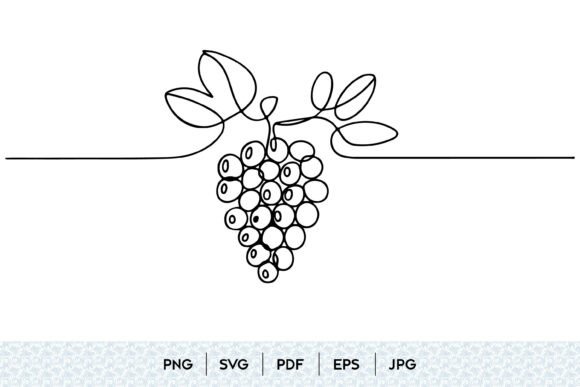
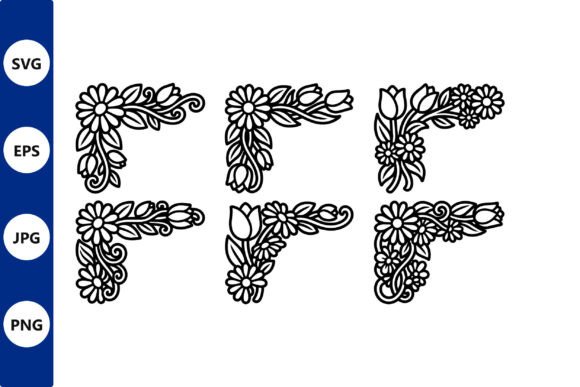
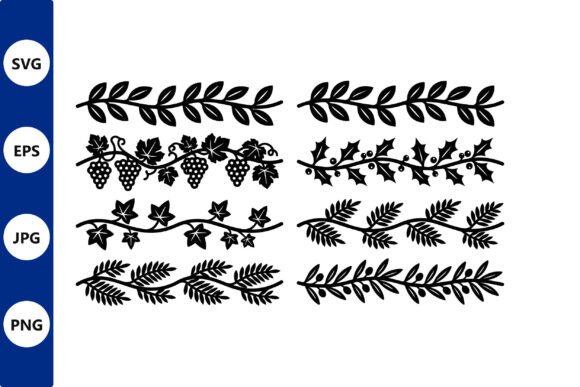
When you are looking to frame a quote, highlight a menu item, or add a touch of organic elegance to a digital layout, standard geometric shapes often feel too rigid. Nature rarely travels in straight lines. This is where the Botanical Border Vine Design comes into play. It is not just a collection of lines and corners; it is a curated set of black and white botanical vectors featuring grapevine leaves and ivy garlands. These elements are designed to wrap around your content, creating a natural, flowing perimeter that captures the eye without overwhelming the message.
The visual personality of this design set relies on the timeless contrast of monochrome. By utilizing black and white botanical border vectors, the design achieves a high-contrast aesthetic that fits seamlessly into both minimalist modern layouts and vintage-inspired projects. The grapevine leaves offer a sense of depth and texture, while the ivy garland provides a continuous, rhythmic flow. This style works beautifully as a decorative border because it avoids the visual clutter of color, allowing the focus to remain on the typography or imagery placed within the frame. It strikes a balance between rustic charm and professional clarity.
Real-World Applications for Creatives and Entrepreneurs
Understanding the versatility of these design assets is key to maximizing their value. Because this digital download includes SVG, EPS, PNG, and JPG formats, the application possibilities are nearly endless. For small business owners and entrepreneurs, these files are invaluable for packaging design and brand identity. Imagine a boutique candle maker using the ivy garland to wrap around a label, or a bakery framing their daily specials on a chalkboard sign. The clean, optimized vectors ensure that the lines remain crisp whether you are printing a massive wall mural or a tiny business card.
For digital creators and marketers, the Botanical Border Vine Design serves as an excellent tool for social media graphics and web design. In a crowded newsfeed, an image framed with delicate botanical elements stops the scroll. It signals that the content inside the frame is curated and important. Bloggers can use these borders to highlight key quotes or call-to-action sections, while content creators can use them to create custom thumbnails that stand out. The files are individually cleaned up, meaning you won’t waste time fixing stray nodes or messy paths in Adobe Illustrator or Procreate.
- Wall Art & Home Decor: Use the vectors to create stencils or direct prints for living room art.
- Tattoos & Body Art: The continuous line work of the ivy makes for excellent stencil references.
- Personalized Decals: Cut the SVG files on vinyl cutters like Cricut or Silhouette for car windows or laptop skins.
- Editorial Design: Use them as chapter headers or page borders in self-published books or magazines.
Influence on Visual Hierarchy and Brand Perception
Design is often about controlling where the viewer looks first. A Botanical Border Vine Design naturally creates a visual hierarchy by acting as a container. When you place a border around a specific block of text, you are telling the audience, "Look here first." This is particularly useful in logo design or editorial design where you need to separate a headline from body copy. The organic shape of the grapevine draws the eye inward, guiding the reader through the layout in a way that feels intuitive rather than forced.
Furthermore, the style of your borders contributes significantly to brand perception. Using a hand-drawn, botanical element suggests a brand that values nature, craftsmanship, and attention to detail. It moves a brand identity away from the cold, sterile feel of corporate digitalism and toward something warmer and more human. However, it is crucial to maintain consistency. If you use the ivy garland on your website header, consider echoing that motif in your email marketing templates or product hang tags. This repetition builds recognition and professionalism.
Practical Guidance for Selection and Implementation
Choosing the right assets requires more than just picking a pretty picture. When evaluating the Botanical Border Vine Design for your project, consider the complexity of the vine relative to the text size you intend to use. If you are designing for small print—like a business card or a pen—ensure that the intricate details of the grapevine leaves do not clog up when printed. The included PNG formats with transparent backgrounds are perfect for quick mockups, while the vector formats are essential for final production scaling.
It is also important to think about font pairing. Since this border design is organic and illustrative, it pairs best with typefaces that have some character. A modern serif font can create a beautiful "classic botanical" look, perfect for wedding invitations. Alternatively, pairing the vines with a clean sans serif font creates a fresh, contemporary contrast that works well for tech startups wanting to appear approachable. Avoid pairing the border with highly decorative script fonts or handwritten fonts unless the legibility is very high, as too much ornamentation can make the design unreadable.
- Check Your Licensing: Always verify that the commercial license covers your specific intended use, especially for mass-produced goods.
- Test Scalability: Open the SVG in your software and scale it up and down to ensure the stroke weights remain consistent.
- Edit for Customization: Don't be afraid to break the vector apart. You can take a single leaf from the design to use as a standalone icon or watermark.
Ultimately, these black and white botanical border vectors are more than just clipart; they are foundational design assets. By integrating the Botanical Border Vine Design